Buy Peptides Costa Rica: A Guide to Research Peptides, Uses, and Selection
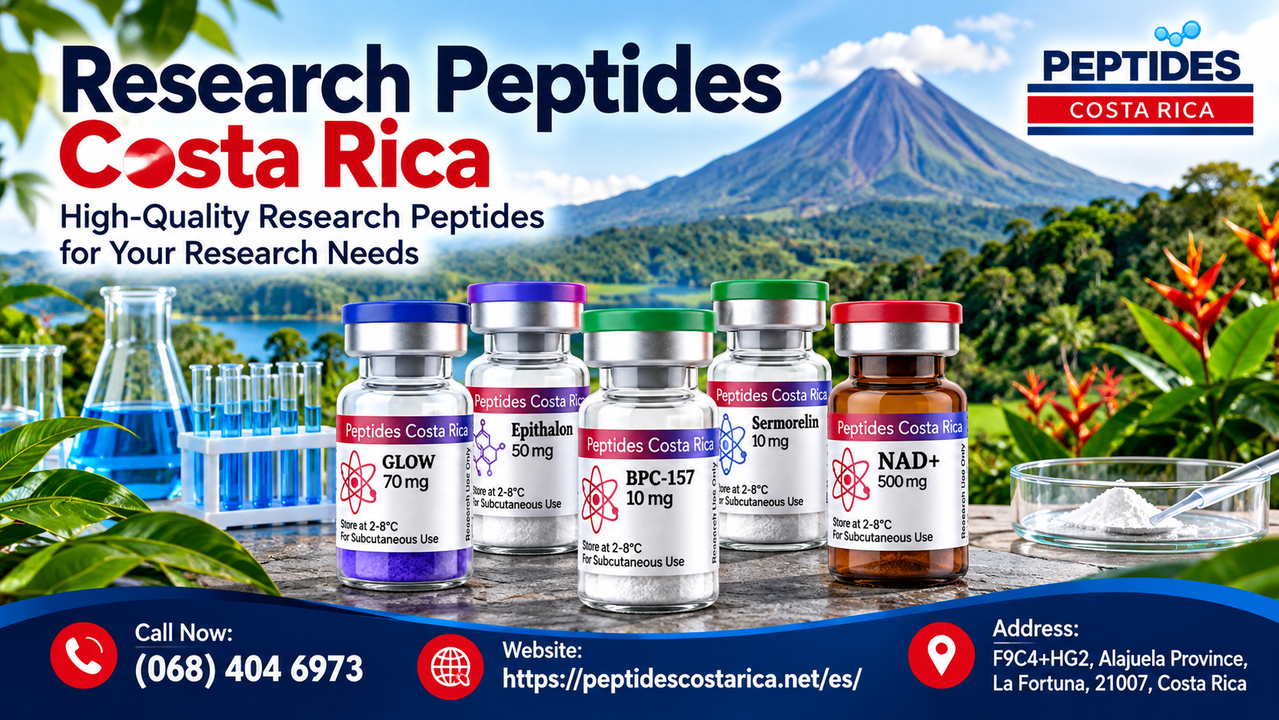
Interest in peptides has expanded across scientific research, biotechnology, and laboratory applications. In Costa Rica, people searching for “buy peptides Costa Rica” may encounter products described as research peptides, laboratory compounds, or peptide materials. Understanding what these products are, how they are used in research peptides Costa Rica legitimate research, and what factors distinguish a suitable research material from an unsuitable one is important before evaluating any supplier.
What Are Peptides?
Peptides are short chains of amino acids connected by peptide bonds. They are smaller than many proteins but can have highly specific biological properties. Researchers study peptides in areas such as molecular biology, biochemistry, pharmacology, cell signaling, and biotechnology.
The term “peptide” covers a broad range of compounds. Different amino-acid sequences can produce substantially different chemical and biological characteristics. For that reason, researchers need to identify the exact peptide being studied rather than treating all peptide products as interchangeable.
Understanding Research Peptides
Research peptides are materials intended for scientific or laboratory investigation rather than general consumer use. Depending on the compound and research setting, scientists may examine peptide structure, stability, interactions, binding characteristics, or biological activity.
When researching peptides in Costa Rica, it is useful to distinguish laboratory research materials from products marketed with therapeutic or performance claims. A product being described online as a research peptide does not automatically establish its identity, purity, quality, regulatory status, or suitability for a particular experiment.
Common Research Applications
Peptides can be relevant to several areas of scientific investigation. Researchers may investigate peptide interactions with receptors, enzymes, proteins, membranes, or other molecular targets. Peptides can also be used as laboratory tools for studying biological pathways and molecular mechanisms.
In biotechnology, peptide research may contribute to the development of analytical methods, diagnostic technologies, drug-discovery programs, and other scientific applications. These investigations require appropriate laboratory controls, validated procedures, and qualified researchers.
Peptides and Healing Claims
Searches for “peptides for healing Costa Rica” often reflect interest in claims that certain peptides may influence tissue repair, inflammation, recovery, or other biological processes. However, laboratory findings should not automatically be interpreted as evidence that a peptide is an established treatment for a human medical condition.
Evidence can vary considerably between individual peptide compounds. Laboratory studies, animal research, observational evidence, and controlled human clinical trials represent different levels of evidence and should not be treated as equivalent. Anyone considering a peptide for a health concern should discuss the issue with a qualified healthcare professional rather than relying on promotional descriptions.
What to Consider When Evaluating Research Peptides
Researchers evaluating peptide materials should focus on documentation and scientific specifications. The exact compound identity is an important starting point. A credible research material should have clear information identifying the peptide, rather than relying only on a marketing name or generalized description.
Purity is another important consideration. Analytical documentation can help researchers determine whether a material meets the specifications required for a particular laboratory application. Depending on the research context, relevant documentation may include analytical testing, chromatography data, mass spectrometry information, or a certificate of analysis.
Storage information also matters because peptides can be sensitive to environmental conditions. Researchers should follow the manufacturer's documented storage requirements and laboratory protocols applicable to the material.
Why Documentation Matters
When evaluating options associated with “buy peptides Costa Rica,” documentation can provide considerably more useful information than advertising language alone. Researchers should look for clearly presented product specifications, batch identification, testing information, and appropriate documentation.
Traceability is particularly important in laboratory work. Being able to associate https://rafaellmnx918.fotosdefrases.com/research-peptides-costa-rica-understanding-types-applications-and-responsible-use-4 a research material with a specific batch and corresponding analytical documentation can make experimental records easier to maintain and results easier to interpret.
Choosing a Research Supplier
Supplier evaluation should be based on factors relevant to legitimate laboratory research. Clear product identification, accessible technical documentation, transparent testing information, appropriate handling procedures, and responsive customer support can all be useful indicators when comparing research-material suppliers.
Researchers should also consider whether the supplier clearly distinguishes research materials from products intended for human or veterinary use. Ambiguous claims can make it difficult to determine how a product is actually comprar péptidos Costa Rica intended to be used.
Regulatory and Legal Considerations in Costa Rica
Before obtaining peptide materials in Costa Rica, researchers and organizations should consider the applicable national requirements. Regulatory treatment can depend on the specific compound, intended purpose, labeling, importation arrangements, and whether a product is intended for research or therapeutic use.
Importers, laboratories, healthcare professionals, and organizations should verify current requirements with the appropriate Costa Rican authorities and qualified regulatory professionals. Regulations can change, so current official guidance should take precedence over older online information.
Research Peptides Versus Approved Medicines
A research compound should not automatically be considered an approved medicine. Pharmaceutical products intended for patient treatment generally undergo regulatory review involving manufacturing standards, quality requirements, safety evaluation, and evidence concerning effectiveness for specified indications.
By contrast, a research peptide may be supplied specifically for laboratory investigation and may not have been evaluated or authorized for treating people. This distinction is essential when reading online information about peptide products.
Making an Informed Selection
A thoughtful approach to peptide research begins with identifying the scientific objective, the exact compound required, and the specifications necessary for the planned laboratory work. Researchers can then compare available materials according to identity, analytical documentation, purity information, batch traceability, storage requirements, and supplier transparency.
Rather than choosing a product solely because of promotional claims, researchers should prioritize verifiable scientific information. This approach helps laboratories maintain better records and reduces uncertainty when interpreting experimental results.
Conclusion
For people researching “buy peptides Costa Rica,” the most important consideration is understanding the difference between research materials and products promoted for human use. Peptides represent a diverse group of compounds with applications across modern scientific research, but evidence and regulatory status can differ substantially between individual products.